Agent Wispr for developers: local voice input without cloud tradeoffs
Why Agent Wispr is positioned for developers who want fast voice capture without sending working audio through a generic cloud dictation stack.
By Agent Software
Voice input is useful long before it is flashy
Most developers do not need a theatrical voice interface. They need a faster way to capture prompts, implementation notes, debugging observations, and handoff context without breaking flow. That is the practical case for Agent Wispr.
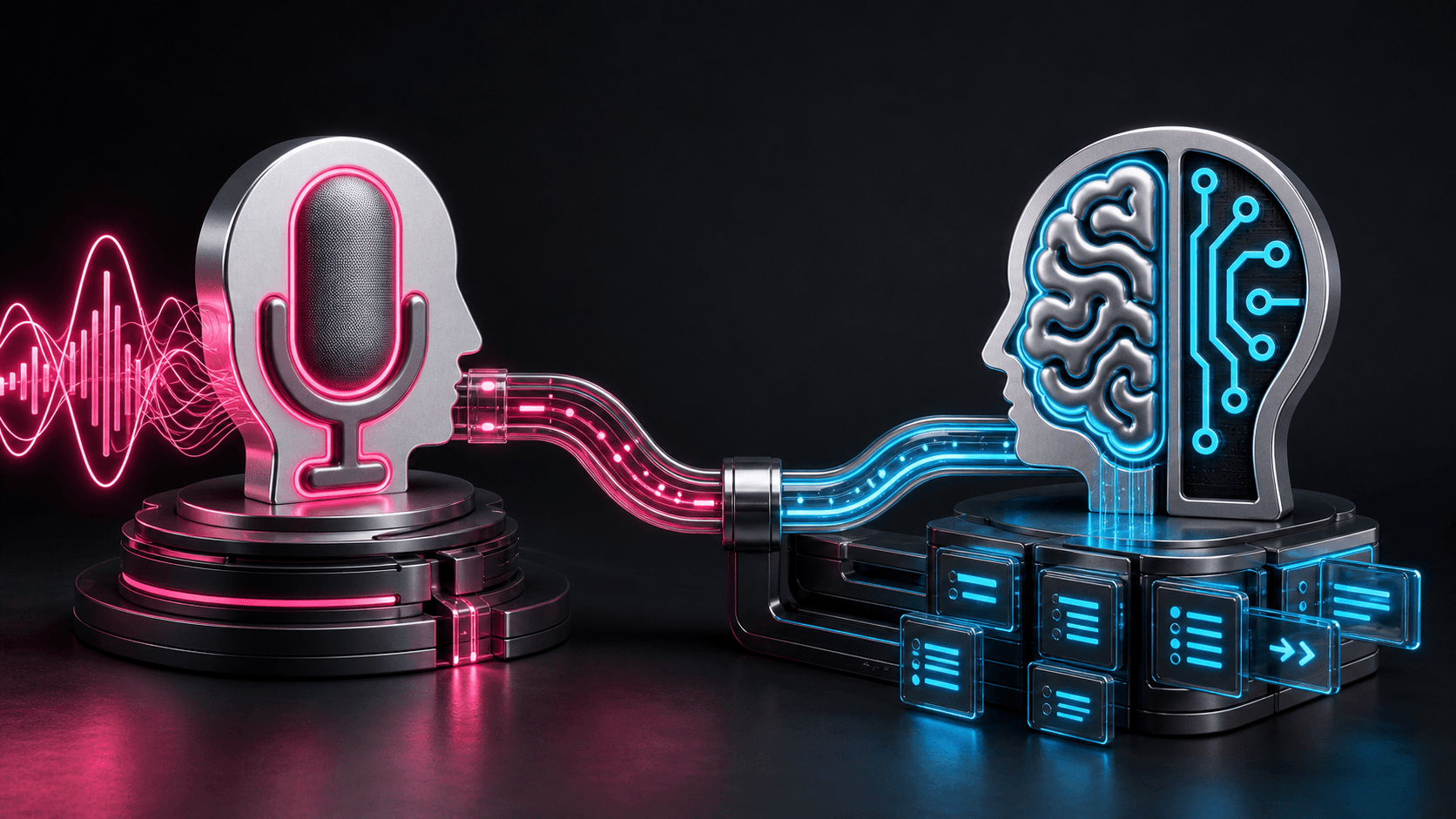
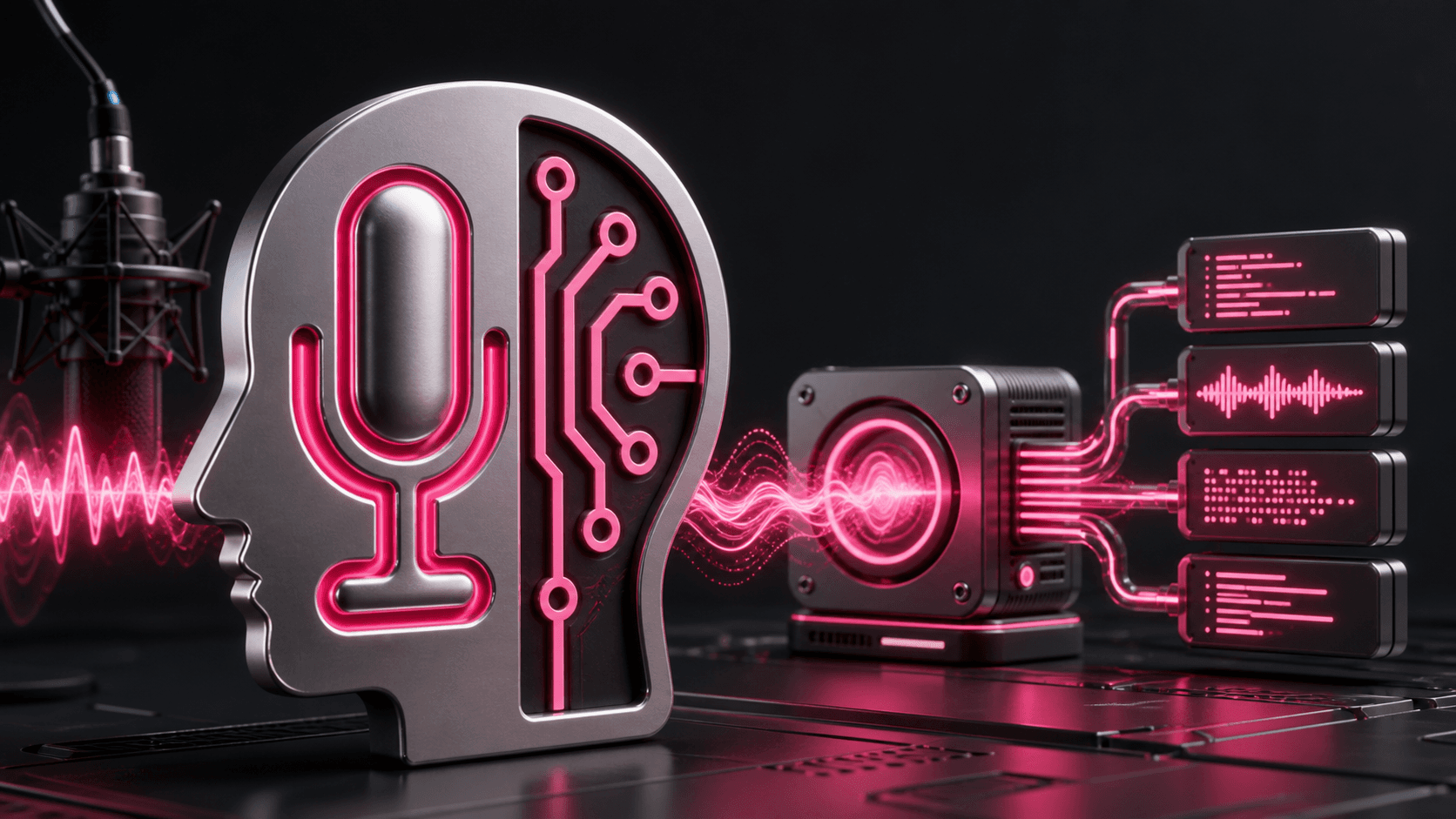
Wispr is aimed at developer workflows where speed matters, but so do privacy and control. The value is not simply that you can speak. The value is that voice capture can happen locally, close to the rest of the workflow, without routing raw audio through a generic cloud dictation service.
Why local changes the tradeoff
Cloud dictation tools can be convenient, but they carry assumptions many developers do not actually want. Audio leaves the device. Latency depends on network conditions. Product direction is often tuned for mass-market note taking instead of engineering work.
Local transcription changes that equation. It makes voice input feel more like a first-class system capability and less like a remote add-on. That matters more when the spoken material includes code-adjacent context, architecture decisions, or work details teams prefer to keep close to the machine.
Why developers care about structure
Developer voice input is rarely just freeform narration. It often turns into:
- prompts for an agent
- rough implementation plans
- bug reproduction notes
- architecture reminders
- commit or release summaries
That is why Wispr fits naturally with Agent Brain. Fast capture is only half the story. The information becomes more valuable when it can feed a memory layer that makes it retrievable later.
What Wispr is not trying to be
Wispr is not trying to be a universal voice platform or a polished enterprise meeting product. Its logic is narrower and more useful: make local voice capture viable inside technical workflows.
That constraint is a strength. It keeps the product anchored in the needs of builders instead of chasing every generic transcription use case.
Where it fits in the suite
Within the suite, Wispr is the input layer. It shortens the distance between human thought and machine-usable context. That is most valuable when the rest of the system can remember, test, and act on what was captured.