Why most AI agent demos do not survive contact with production workflows
AI agent demos often collapse in production because hidden context, idealized tasks, and missing verification layers make the workflow look stronger than it is.
By Agent Software
Demos are optimized for coherence, not durability
A good demo removes friction. That is part of its job. The problem starts when people mistake demo coherence for production readiness. In demos, the task is usually curated, the context is clean, the operator is skilled, and the failure modes are trimmed out of view.
Production workflows do the opposite. They surface ambiguity, legacy state, interruptions, conflicting constraints, and imperfect handoffs.
Hidden context does more work than people admit
Many successful agent demos quietly depend on context that is never made explicit. The presenter knows the repo, knows which files matter, and knows which prompts avoid failure. That tacit guidance is a huge part of the result.
When the workflow leaves the demo environment, that hidden context disappears. Teams then conclude the model became unreliable when the larger problem is that the system depended on invisible operator scaffolding.
Verification is usually missing
Even when the demo output is strong, many workflows still lack a robust way to verify whether the behavior is stable. The system may succeed once and fail the next time with a slightly different repo state.
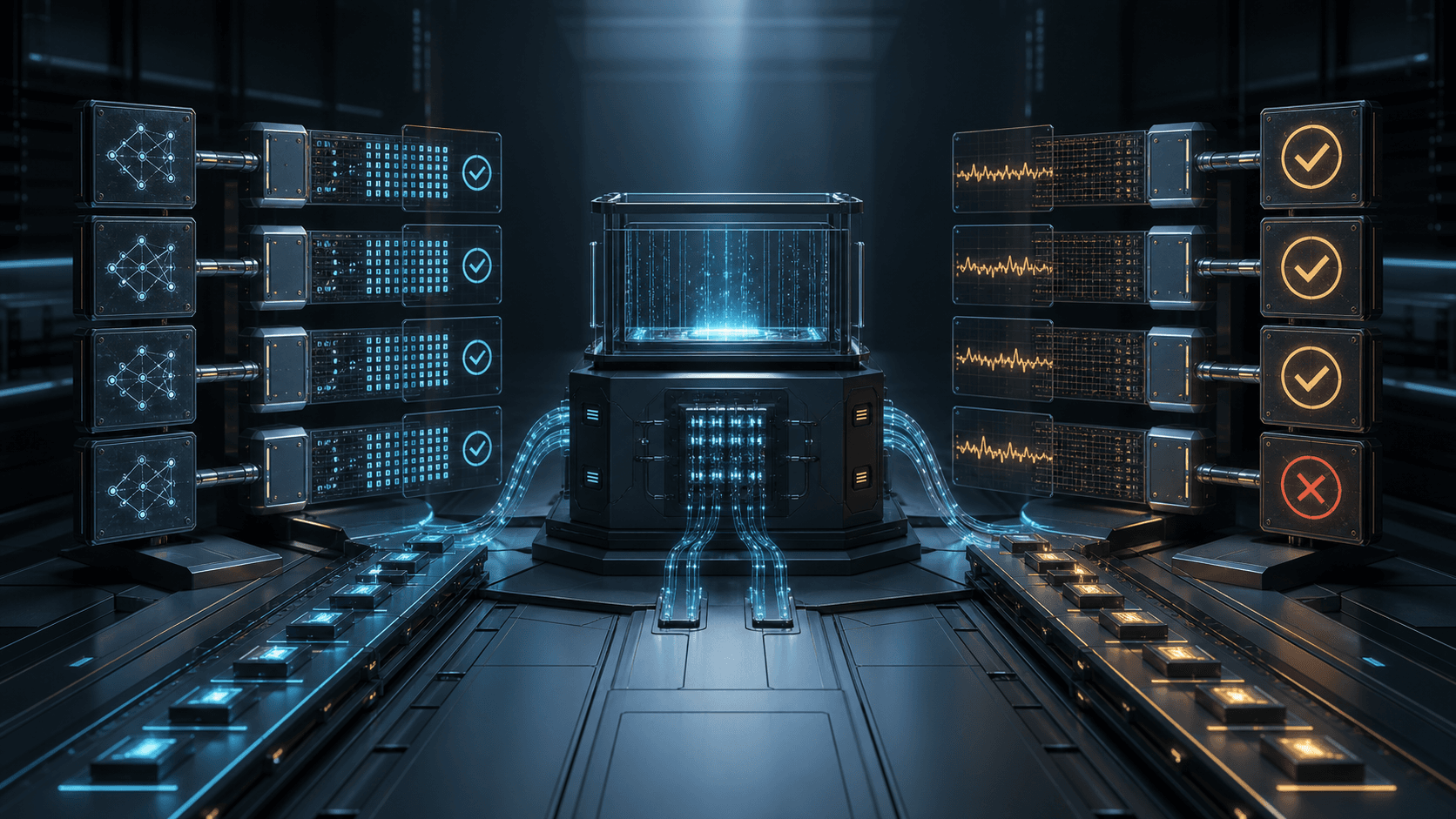
That is why repeatable evaluation matters more than highlight reels. Without a harness, a memory layer, and visible execution, teams tend to overestimate what the system can sustain.
The better standard
The right question is not "Can this agent complete an impressive task?" It is "Can this workflow survive ordinary use under changing conditions without becoming expensive to supervise?"
That standard is harsher, but it is also the only one that matters for serious engineering teams.
What should replace demo thinking
Teams should move from polished proof moments toward systems thinking: clearer handoffs, better memory boundaries, repeatable tests, and execution surfaces where humans can intervene quickly.
That is less cinematic than a perfect demo. It is also much closer to production truth.